When One Child Dysregulates, the Entire Lesson Stops. Here Is How We Save Our Classrooms Without Shaming Our Kids.
Managing a diverse classroom is an incredible feat of patience. When a single child experiences emotional dysregulation, the entire lesson plan can grind to an abrupt halt. Consequently, local educators face an intense dilemma: how do you balance the collective academic timeline against the immediate, high-needs support an individual student requires?
Fortunately, teachers do not need to operate as clinical therapists to build fully inclusive spaces. Specifically, what our schools need are sustainable, micro-tier interventions that simultaneously protect child dignity and save the syllabus.
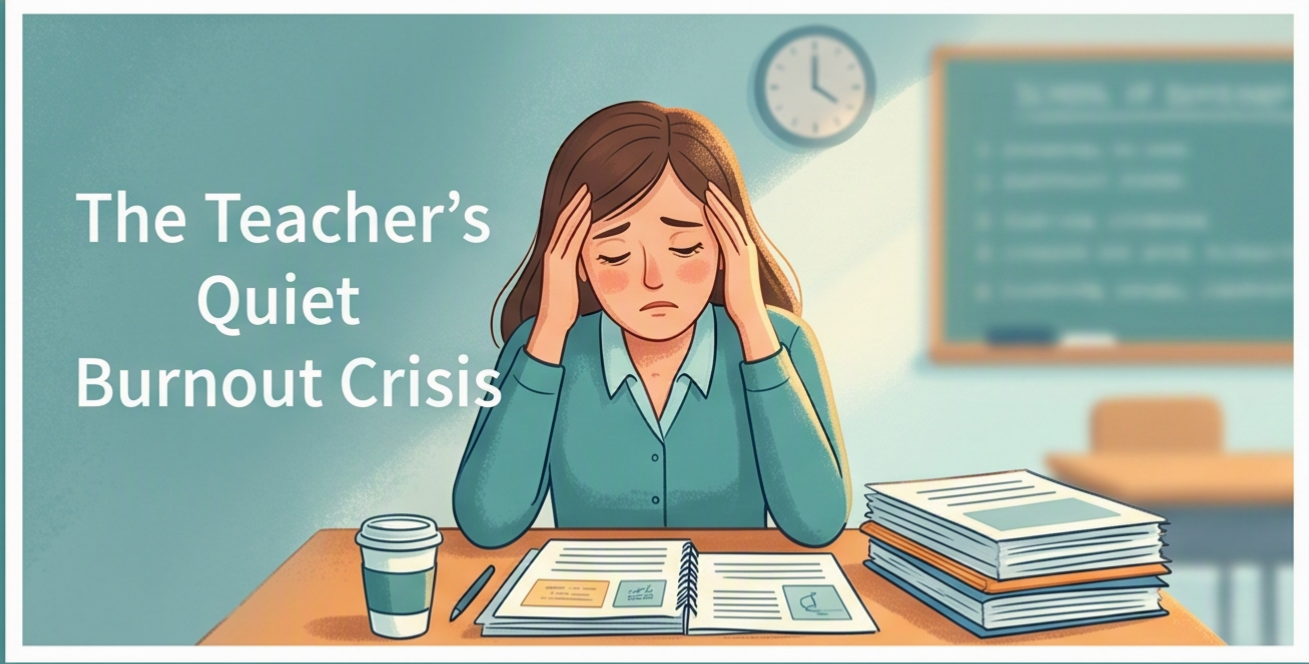
The Teacher’s Quiet Burnout Crisis
Every single day, educators balance tight academic deadlines against a massive variety of student needs. When intense disruptions happen frequently, the resulting stress often creates a silent crisis of workplace fatigue. Teachers want to support every single learner, but they simply do not have the hours to pause instruction for constant discipline.
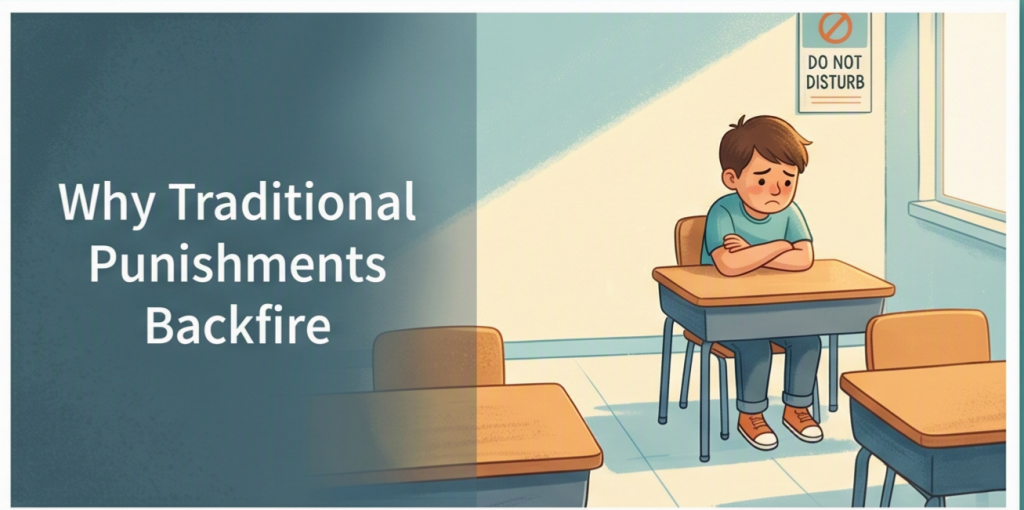
Why Traditional Punishments Backfire
When an overwhelmed child acts out, reactive punishments like public isolation or harsh scolding typically fail. Specifically, these measures create intense shame and damage trust without addressing the root cause of the behavior. If you want to learn how to manage challenging behavior safely, we must view these actions as a form of communication rather than deliberate defiance.
Environmental Modifications for Diverse Classrooms
We can drastically reduce classroom disruptions by altering the physical environment. Consequently, small changes can yield massive benefits for student focus.
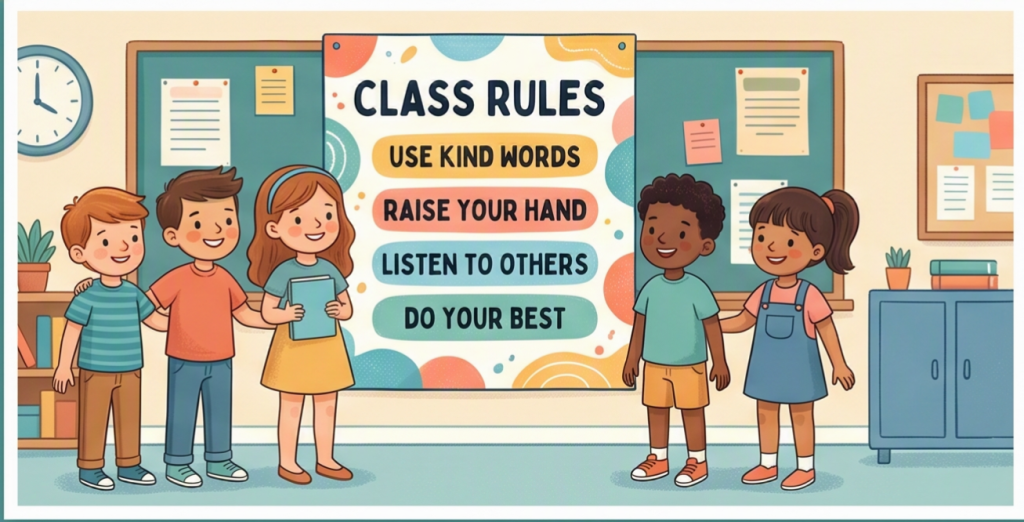
Establish Designated Class Rules: Keep a short, highly visible set of rules posted prominently at the front of the room. Use positive phrases like “We use normal voices” rather than listing prohibitions.
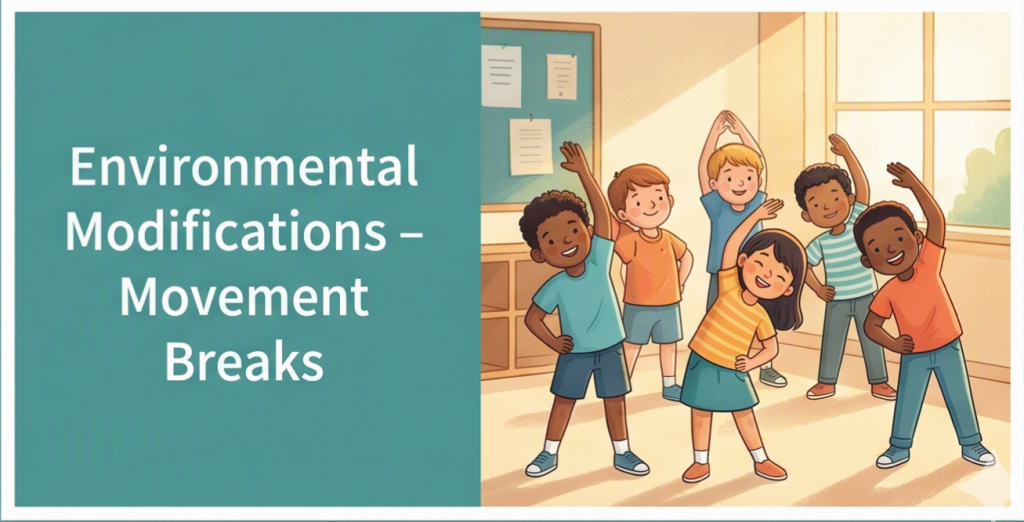
Integrate Planned Movement Breaks: Furthermore, building brief somatic transitions between subjects helps children regulate their nervous systems naturally. If you want an immediate roadmap for this strategy, email us at admin@mindstory.com.my to request our friendly movement break guide.
Read more on how environtment affects the development of our children at Place Matters: The Environment We Create Shapes the Foundations of Healthy Development